Gregory A. Wyant
Discovered that lysosomes must actively pump amino acids out, not just take protein in, to switch on cell growth
BS, Northeastern Univ. · PhD, MIT/Whitehead (Sabatini lab) · postdoc, Dana-Farber (William Kaelin lab) · now Assistant Professor, MGH/Harvard Medical School
Wyant Lab, MGH Cardiovascular Research Center ↗
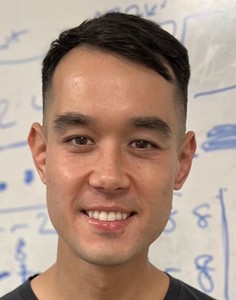 Portrait: Simons Foundation (SFARI)
First author (WYA2017): SLC38A9, already known for arginine sensing, has a second job — effluxing essential amino acids like leucine out of lysosomes to activate mTORC1; pancreatic cancer cells scavenging protein by macropinocytosis depend on this efflux. Contributed to CHA2016 (CASTOR1 arginine sensor discovery).
Pivoted to oxygen sensing with Nobel laureate William Kaelin, now runs own MGH/Harvard lab studying oxygen, nutrients, mechanical stretch and electrical activity in heart/muscle growth — aimed at heart failure and cachexia.
Milestones in the Atlas
| Year | Evidence | Study |
|---|---|---|
| 2016 | M | The CASTOR Proteins Are Arginine Sensors for the mTORC1 Pathway CHA2016 Contributed to identifying CASTOR1 as the direct arginine sensor upstream of mTORC1. |
| 2017 | M | mTORC1 Activator SLC38A9 Is Required to Efflux Essential Amino Acids from Lysosomes and Use Protein as a Nutrient WYA2017 SLC38A9 effluxes essential amino acids out of lysosomes to activate mTORC1. |