Peter M Finan
Biochemist and drug-discovery leader who started the PI 3-kinase drug discovery program at Novartis and ran its Developmental and Molecular Pathways group in Cambridge, Massachusetts, before moving into life-science venture investing
Managing Partner, Epidarex Capital (partner since 2014) · Chairman, Enterprise Therapeutics · Global Head of Respiratory Disease Area and UK Site Head, Novartis Institutes for BioMedical Research · Executive Director, Developmental and Molecular Pathways, Novartis (Cambridge, Massachusetts) · earlier at Cancer Research UK, Yamanouchi Research Institute and Karus Therapeutics · BSc and PhD in Biochemistry and Molecular Biology, University of Leeds
Epidarex Capital (Edinburgh, Scotland, United Kingdom) ↗
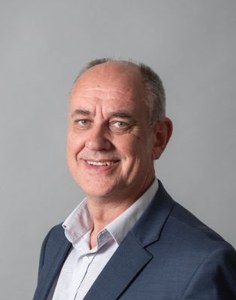 Portrait: Epidarex Capital
Peter Finan is a co-author of two Atlas papers from a partnership between Brendan Manning's lab at Harvard and Novartis scientists in Cambridge, Massachusetts. DUV2010 asked what mTORC1, the growth-control complex, switches on besides protein synthesis. In mouse cells where mTORC1 is stuck in the on position (because the brake protein TSC2 is missing), the team measured thousands of genes and metabolites at once. mTORC1 turned on sugar breakdown (glycolysis), the oxidative pentose phosphate pathway and the building of new fats, through the transcription factors HIF1alpha and SREBP. DIB2012 found TBC1D7, a third core protein in the TSC1-TSC2 complex that acts as the brake on mTORC1. Both studies were done in cultured cells.
Finan studied biochemistry and molecular biology at the University of Leeds, where he also did his PhD. He worked at Cancer Research UK, the Yamanouchi Research Institute (now part of Astellas) and Karus Therapeutics, where he was Head of Biology. At Novartis he started the company's PI 3-kinase drug discovery program, which works on the signalling enzymes that sit just upstream of mTOR, and received the Novartis Leading Scientist Award in 2007. As Executive Director of the Developmental and Molecular Pathways platform in Cambridge, Massachusetts, he led target discovery and early drug discovery across cancer, neuroscience, regenerative medicine and inflammation. PubMed lists him at Novartis on papers from the same years on autophagy, rapamycin resistance and chemical tools for the autophagy enzyme VPS34. He later headed the Respiratory Disease Area and the Novartis research site in the UK.
Finan joined the life-science investor Epidarex Capital in 2014 and was named a Managing Partner in July 2026. He chairs Enterprise Therapeutics and sits on the boards of several young biotech companies and of the UK BioIndustry Association.
Milestones in the Atlas
A selection, not a full bibliography: only papers that meet the Atlas inclusion criteria.
| Year | Evidence | Study |
|---|---|---|
| 2010 | M | Activation of a metabolic gene regulatory network downstream of mTOR complex 1 DUV2010 Co-author from Novartis on the study showing that active mTORC1 is enough to switch on glycolysis, the pentose phosphate pathway and fat synthesis in cultured cells. |
| 2012 | M | TBC1D7 is a third subunit of the TSC1-TSC2 complex upstream of mTORC1 DIB2012 Co-author from the Novartis side of the Harvard-Novartis team that identified TBC1D7 as the third core subunit of the TSC1-TSC2 complex, the brake on mTORC1. |
Co-authors in the Atlas 7
People with a profile here who share at least one study with Peter M Finan.
ShowHide
- Brendan D. Manning 2 shared studies Was among the groups that in 2002 identified TSC2 as a direct target of Akt (MAN2002), linking insulin and PI3K signalling to mTORC1, and later found TBC1D7 as the third subunit of the TSC complex. His lab has shown how mTORC1 turns growth signals into the synthesis of lipids and nucleotides
- Leon O Murphy 2 shared studies Cell biologist who led autophagy and mTOR drug discovery at Novartis in Cambridge, Massachusetts, and is now Chief Scientific Officer of Casma Therapeutics, a company that develops drugs acting on the autophagy-lysosome system
- David J. Kwiatkowski Geneticist and physician who studies tuberous sclerosis complex (TSC) and the TSC1/TSC2 genes that restrain mTORC1.
- Christian C. Dibble Identified TBC1D7 as the third subunit of the TSC complex that controls mTORC1, as a Manning-lab graduate student. His lab at Beth Israel Deaconess studies how PI3K signalling and nutrient supply are integrated to control mTORC1 and cell metabolism
- John M. Asara Mass-spectrometry specialist whose core facility supplied metabolomics and proteomics for several mTOR studies, including measurements of purine, pyrimidine and SAM metabolism downstream of mTORC1.
- Katrin Düvel First author of the study showing that mTORC1 switches on a metabolic gene program through HIF1α and SREBP, driving glycolysis, the pentose phosphate pathway and lipid synthesis
- Sue Menon Showed insulin controls mTORC1 by moving the TSC complex on and off the lysosome
Every researcher with a profile →
Thank you. That helps us know which pages have been read by someone who knows the work.
Thank you. We will check it and correct the page.
Thank you. Your answer was counted anonymously.