Martin A. Javors
Pharmacologist and professor at UT Health San Antonio who directs an analytical laboratory for biochemical and drug measurements, and a co-author of rapamycin studies in mice and in older people
Professor, Departments of Psychiatry and Pharmacology, and Director, Biological Psychiatry Analytical Laboratory, University of Texas Health Science Center at San Antonio · Adjunct Professor, College of Pharmacy, University of Texas at Austin · PhD in pharmacology, University of Colorado at Boulder (1979)
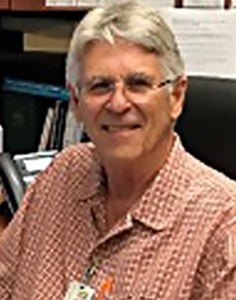 Portrait: UT Health San Antonio (BPAL)
A drug can only be judged if you know how much of it actually reaches the blood. Martin Javors appears as a co-author on rapamycin studies from San Antonio, where the measurement of drug levels is part of the work. In the Atlas pilot trial KRA2018, 25 healthy adults aged 70 to 95 took daily rapamycin or placebo for at least eight weeks. The drug was well tolerated, with only small changes in red blood cells and no rise in blood glucose or insulin resistance over that short period. The trial was small and short and only checked safety, but it laid groundwork for larger human studies.
Javors is also a co-author of the Atlas study STR2022 from the NIA Interventions Testing Program, which tests possible anti-aging drugs in genetically mixed mice at three sites. Rapamycin plus acarbose, a drug that slows sugar uptake from the gut, started at nine months of age gave male mice a longer lifespan than rapamycin alone had given in earlier groups. In females the combination did about as well as rapamycin alone.
PubMed lists 16 papers with Javors that involve rapamycin, including earlier Interventions Testing Program reports such as the 2016 study in which metformin plus rapamycin extended mouse lifespan, and a 2015 study in which rapamycin shortened life in db/db mice, a model of type 2 diabetes. Most give the Department of Psychiatry at the University of Texas Health Science Center at San Antonio as the address.
Javors earned a degree in pharmacy at the University of Texas at Austin and a PhD in pharmacology at the University of Colorado at Boulder in 1979, followed by a pharmacology internship at the UT Health Science Center at San Antonio. Javors is a tenured professor in the Departments of Psychiatry and Pharmacology there and directs the Biological Psychiatry Analytical Laboratory, which makes biochemical measurements for psychiatric research, including tests for psychiatric drugs. Javors' own research has covered biochemical markers of alcohol and nicotine use, the brain messengers serotonin, dopamine and noradrenaline and their transporters, and how serotonin function relates to impulsivity.
Milestones in the Atlas
A selection, not a full bibliography: only papers that meet the Atlas inclusion criteria.
| Year | Evidence | Study |
|---|---|---|
| 2018 | H | A randomized control trial to establish the feasibility and safety of rapamycin treatment in an older human cohort: Immunological, physical performance, and cognitive effects. KRA2018 Co-author: part of the team behind the pilot trial showing that eight weeks of daily rapamycin was well tolerated in healthy adults aged 70 to 95. |
| 2022 | A | Lifespan benefits for the combination of rapamycin plus acarbose and for captopril in genetically heterogeneous mice STR2022 Co-author: part of the Interventions Testing Program study in which rapamycin plus acarbose gave male mice a longer lifespan than rapamycin alone in earlier cohorts. |
Co-authors in the Atlas 13
People with a profile here who share at least one study with Martin A. Javors.
ShowHide
- Adam B. Salmon Biologist of aging at UT Health San Antonio whose work in this Atlas spans rapamycin in mice and in common marmosets. He is a co-author on the Interventions Testing Program reports from the San Antonio site and on the marmoset rapamycin studies on blood markers, epigenetic age and the salivary gland
- Adriana D. Benavides Immunologist who worked at UT Health San Antonio and the Children's Hospital of Philadelphia, and a co-author of the first small safety trial of rapamycin in healthy older people
- David E. Harrison Led the Jackson Laboratory site of the NIA Interventions Testing Program. His 2009 Nature paper showed that rapamycin extends the lifespan of genetically diverse mice even when feeding starts at 20 months of age, which the authors described as the first pharmacological extension of lifespan in both sexes of a mammal
- Dean L. Kellogg Jr. A geriatrician who co-leads clinical trials of rapamycin in older adults at the Barshop Institute, with a focus on safety and cardiovascular effects.
- Elizabeth Fernandez Aging researcher at the Barshop Institute in San Antonio who has worked on rapamycin studies in mice and common marmosets, including the NIA Interventions Testing Program
- Ellen Kraig Immunologist at UT Health San Antonio who studies how aging changes immune regulation and who led the first small safety trial of rapamycin in healthy older people at the Barshop Institute
- James F. Nelson Physiologist of aging at UT Health San Antonio who studies how calorie restriction, sex hormones and drugs change mouse lifespan, and a co-investigator on the Interventions Testing Program
- Matt Kaeberlein Extended TOR/aging research from yeast to mice to pet dogs
- Nicolas Musi Endocrinologist and aging researcher who directs the Division of Endocrinology, Diabetes and Metabolism and the Diabetes and Aging Center at Cedars-Sinai, and who studies how aging drives insulin resistance, frailty and senescence
- Qianqian Liu Biostatistician on one of the first randomised pilot trials of rapamycin's safety in older adults
- Randy Strong Leads the San Antonio site of the NIA Interventions Testing Program, which tests each compound in parallel at three sites under one shared protocol. He first-authored the program's reports on resveratrol and other supplements (2012) and on rapamycin combined with acarbose (2022)
- Richard A. Miller Leads the University of Michigan site of the NIA Interventions Testing Program. His papers showed that rapamycin extends mouse lifespan when started in middle age, and that the size of the benefit depends on dose and differs between males and females
- Vivian Diaz Aging researcher at the Barshop Institute in San Antonio who has worked for more than a decade on the mouse lifespan studies behind rapamycin's reputation as an anti-aging drug, including the Interventions Testing Program
Every researcher with a profile →
Thank you. That helps us know which pages have been read by someone who knows the work.
Thank you. We will check it and correct the page.
Thank you. Your answer was counted anonymously.