The story in six moments
Every entry in this Atlas traces back to a real paper. These six built the field, from a soil sample on a Pacific island to a large clinical trial that missed its primary endpoint. They are a curator's selection, not a consensus list.
How we got here
Every entry in this Atlas traces back to a real paper. Here are six moments that built
the field – from a soil sample on a Pacific island to a large clinical trial that missed its
primary endpoint. These six are a curator's selection, not a consensus list.

1975
A molecule from Rapa Nui
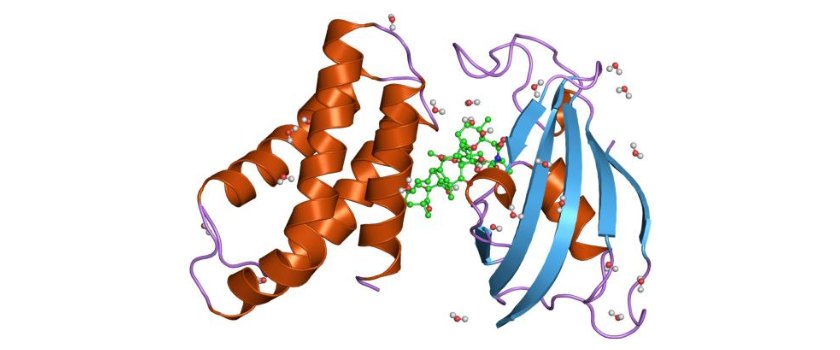
Vézina and colleagues isolate a compound from Streptomyces bacteria in a soil
sample from Rapa Nui (Easter Island), with antifungal activity nobody can yet explain.
They name it after the island: rapamycin.
DOI: 10.7164/antibiotics.28.721Where it sits in the timeline →
1994
The target gets a name
Sabatini and colleagues purify a rapamycin-binding protein from rat brain and propose
it as the mammalian TOR homolog – they name it RAFT1. Brown and colleagues
independently report the same protein as FRAP in Nature that same year. The
name "mTOR" itself comes a year later, from Sabers and colleagues in 1995. Two decades
of "what does this drug even do?" finally has a molecular answer.
DOI: 10.1016/0092-8674(94)90570-3Where it sits in the timeline →
2002–2004
One protein, two complexes
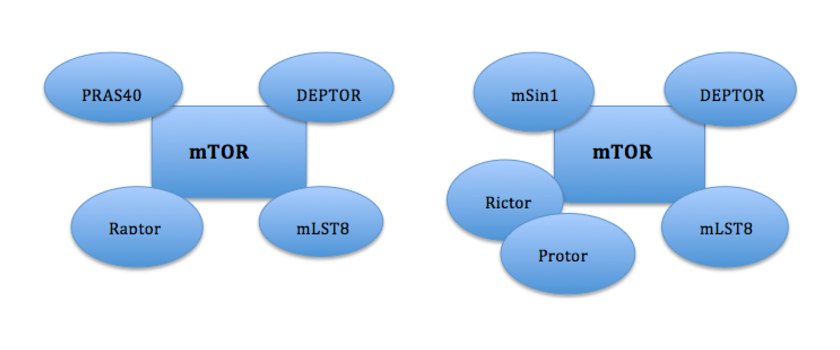
Kim et al. and, independently and simultaneously, Hara et al. discover Raptor, the
partner protein that defines mTOR Complex 1 – this Atlas's own RAPTOR-MTORC1 edge
cites both. Loewith and colleagues define the TORC1/TORC2 split in yeast the same
year. Two years later, Sarbassov et al. discover Rictor in mammalian cells – defining
a second, rapamycin-resistant complex, mTORC2. mTOR turns out to have two
faces at the molecular level too.
DOI: 10.1016/s0092-8674(02)00808-5Where it sits in the timeline →
· DOI: 10.1016/j.cub.2004.06.054Where it sits in the timeline →
2009
The first drug shown to extend mammalian lifespan
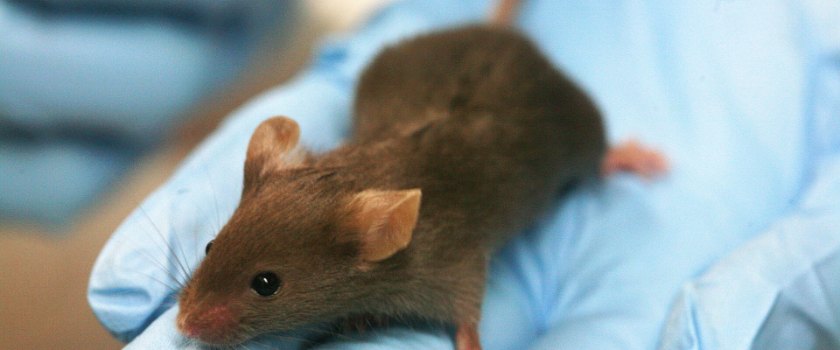
The NIA Interventions Testing Program, led by Harrison and colleagues, shows rapamycin
extends lifespan in genetically heterogeneous mice – even when treatment starts late
in life. First pharmacological intervention ever shown to do this in a mammal.
DOI: 10.1038/nature08221Where it sits in the timeline →
2018
From mice to people
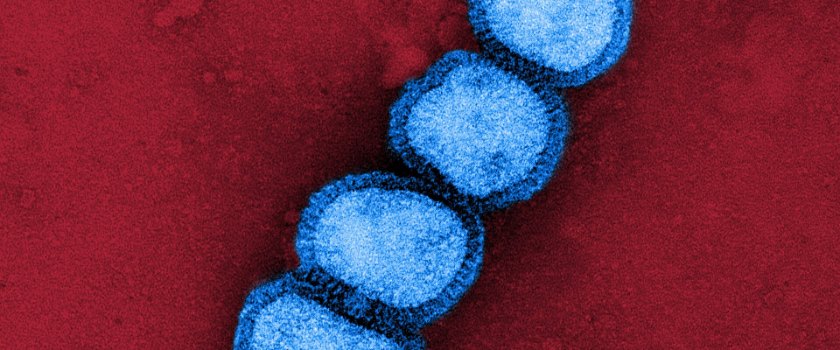
Mannick and colleagues show low-dose mTOR inhibition reduces respiratory tract
infections and upregulates antiviral interferon-response genes in elderly volunteers
– building on their 2014 finding that a similar regimen improved influenza-vaccine
response. Together, the first hints the mouse result might translate to humans.
DOI: 10.1126/scitranslmed.aaq1564Where it sits in the timeline →
2021
The reality check
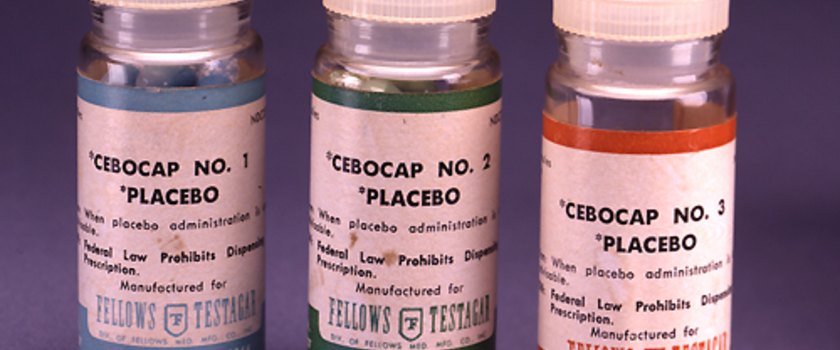
The follow-up phase 3 trial – 1,024 participants – misses its primary endpoint. The
drug still switched on the right antiviral genes; it just didn't reduce clinically
symptomatic illness. This Atlas keeps that result next to the success that came before
it, because a database that only remembers the wins isn't science.
DOI: 10.1016/S2666-7568(21)00062-3Where it sits in the timeline →
Was this page useful?
Thank you. Your answer was counted anonymously.