Yakir Guri
Showed mTORC2 drives liver cancer by rewiring lipid and sphingolipid synthesis
MD-PhD, Biozentrum, Univ. of Basel (Hall lab) · University Hospital Basel (Internal Medicine) · investigator, Botnar Research Centre for Child Health (BRCCH)
Hall Lab, Biozentrum, University of Basel ↗
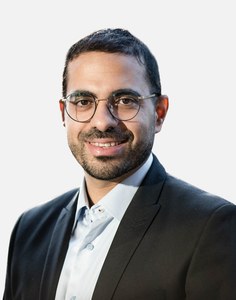 Portrait: Botnar Research Centre for Child Health (BRCCH)
In a fatty-liver-to-HCC mouse model, showed mTORC2 drives tumor formation by ramping up de novo lipid/sphingolipid synthesis (GUR2017); blocking synthesis prevented tumors. Co-authored a review (GUR2016) on mTOR as a resistance mechanism against targeted cancer drugs.
MD-PhD; returned to clinical medicine at University Hospital Basel (treated COVID-19 patients), now also affiliated with BRCCH.
Milestones in the Atlas
| Year | Evidence | Study |
|---|---|---|
| 2016 | R | mTOR Signaling Confers Resistance to Targeted Cancer Drugs GUR2016 Review of mTOR signaling conferring resistance to targeted cancer drugs. |
| 2017 | A | mTORC2 Promotes Tumorigenesis via Lipid Synthesis GUR2017 mTORC2 promotes tumorigenesis via de novo lipid synthesis. |