Thomas Weichhart
Immunologist who showed that mTOR sets the tone of the innate immune response, and now studies how macrophage metabolism drives granulomatous disease
Associate Professor of Immunometabolism, Medical University of Vienna (since 2014) · Group Leader, Center for Pathobiochemistry and Genetics, Medical University of Vienna (since 2012) · Researcher, Clinical Division of Nephrology and Dialysis, Department of Internal Medicine III, Medical University of Vienna (c. 2005–2012) · PhD, University of Vienna (2005) · BSc in Biology and Genetics, University of Vienna (2000)
Weichhart Lab, Center for Pathobiochemistry and Genetics, Medical University of Vienna (Vienna, Austria) ↗ ORCID0000-0002-4349-0797 ↗
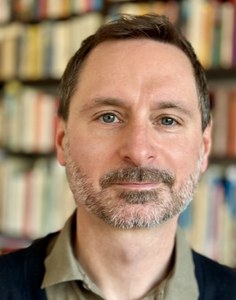 Portrait: Weichhart Lab, Medical University of Vienna
Weichhart is first author of the 2008 Immunity paper that forced immunologists to rethink what rapamycin does. Rapamycin was used clinically as an immunosuppressant, so the expectation was that blocking mTOR would damp inflammation down. His experiments in monocytes, macrophages and dendritic cells showed the opposite for the innate arm: inhibiting mTOR raised pro-inflammatory cytokines through the transcription factor NF-kappaB while shutting off the anti-inflammatory cytokine interleukin-10, which depends on STAT3.
The reverse experiment made the case airtight. Deleting TSC2 - the brake that normally keeps mTOR quiet - flipped the cells the other way, lowering NF-kappaB activity and raising STAT3, so the cytokine balance moved back toward anti-inflammatory. The effect held in a live animal too: blocking mTOR changed the inflammatory response enough to protect genetically susceptible mice from lethal Listeria infection. The practical reading is that mTOR is a dial on the quality of an immune response, not simply an on-off switch for its strength - which matters for transplant patients, vaccines and cancer immunotherapy alike.
He did this work as a researcher in the nephrology division in Vienna with Marcus Saemann, and has since built his own group at the Medical University of Vienna. The lab now studies immunometabolism - how the metabolic state of a macrophage determines what it does to the tissue around it - with a particular focus on sarcoidosis and other granulomatous diseases, where mTOR-driven macrophages appear to build the granulomas themselves.
Milestones in the Atlas
| Year | Evidence | Study |
|---|---|---|
| 2008 | M | The TSC-mTOR signaling pathway regulates the innate inflammatory response WEI2008 First author: designed and ran the monocyte, macrophage and dendritic cell experiments and the TSC2-deletion and Listeria infection work showing that the TSC-mTOR pathway controls the innate inflammatory response. |
Every researcher with a profile →
On the programme
Meetings in the Atlas calendar where Thomas Weichhart is listed among the speakers or organisers.
- past 7th European Meeting on AMPK & Nutrient-Sensing Pathways 2026 ↗ 27–29 Sep 2026 · Lunteren, Netherlands · ★★