Pere Puigserver
Metabolism researcher who studies how mitochondrial energy production and nutrient metabolism are controlled, including the finding that mTOR drives mitochondrial gene activity through YY1 and PGC-1alpha.
Professor of Cell Biology, Harvard Medical School · Professor of Cell Biology, Dana-Farber Cancer Institute
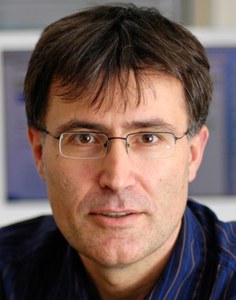 Portrait: Harvard Medical School
Pere Puigserver leads a laboratory at Harvard Medical School and the Dana-Farber Cancer Institute. His group studies how cells regulate core metabolism: how mitochondria are built and controlled, how liver and fat cells handle nutrients, and how cancer cells use metabolism to grow and survive.
In the 2007 paper in this Atlas, he was the senior author. The team showed that mTOR is needed to keep mitochondria working well. In muscle tissue and cells, rapamycin lowered the activity of genes that control mitochondria, and oxygen use fell. They found that mTOR works with a protein called YY1, which in turn partners with PGC-1alpha, a master switch for mitochondrial genes.
The result showed that mTOR does more than control protein building. It also helps set how much energy a cell can make, which is part of the reason mTOR inhibition changes whole-body metabolism.
Milestones in the Atlas
A selection, not a full bibliography: only papers that meet the Atlas inclusion criteria.
| Year | Evidence | Study |
|---|---|---|
| 2007 | M | mTOR controls mitochondrial oxidative function through a YY1-PGC-1alpha transcriptional complex CUN2007 Senior author. mTOR is needed to keep mitochondrial gene expression and oxygen use up, through a YY1-PGC-1alpha complex; rapamycin lowered both. |
Co-authors in the Atlas
People with a profile here who share at least one study with Pere Puigserver.
- Vamsi K. Mootha Studies how mitochondria are built and work and how their genes cause disease, including the MitoCarta inventory of the mitochondrial proteome and the mitochondrial calcium uniporter.
Every researcher with a profile →
Thank you. Your answer was counted anonymously.
Thank you. That helps us know which pages have been read by someone who knows the work.
Thank you. We will check it and correct the page.