Jamie H. D. Cate
Structural and molecular biologist who studies how ribosomes and the initiation factor eIF3 control which mRNAs are translated into protein.
Professor of Chemistry and of Molecular and Cell Biology, UC Berkeley
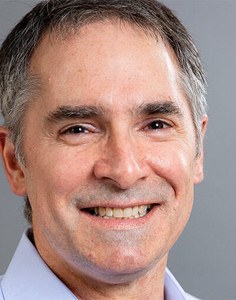 Portrait: UC Berkeley College of Chemistry
Jamie Cate is a professor in the Departments of Chemistry and of Molecular and Cell Biology at the University of California, Berkeley. His lab studies how genetic information is turned into protein, using cryo-EM, biophysics and genomics. One focus is how the initiation factor eIF3 switches translation of particular mRNAs on or off.
The 2026 RNA Biology paper in the Atlas, led by Erica Pledger, used ribosome profiling to look at how human CD8+ T cells translate their mRNAs after chronic activation, a model of T cell exhaustion.
The team found that 5' TOP mRNAs, a class normally under mTOR control, were strongly repressed in translation even though mTOR activity looked elevated. This points to a layer of translational control that can override or bypass mTOR in exhausted T cells.
Milestones in the Atlas
A selection, not a full bibliography: only papers that meet the Atlas inclusion criteria.
| Year | Evidence | Study |
|---|---|---|
| 2026 | M | Translational repression of 5' TOP mRNAs in chronically activated CD8+ T cells in vitro. PLEDGER2026 Ribosome profiling of chronically activated human CD8+ T cells showed strong translational repression of 5' TOP mRNAs despite elevated mTOR activity; Cate is senior (last) author. |
Co-authors in the Atlas 1
People with a profile here who share at least one study with Jamie H. D. Cate.
ShowHide
- Erica Pledger Researcher in Jamie Cate's lab at UC Berkeley who used ribosome profiling to show that exhausted human T cells shut down a key class of growth-related mRNAs even while mTOR is active
Every researcher with a profile →
Thank you. That helps us know which pages have been read by someone who knows the work.
Thank you. We will check it and correct the page.
Thank you. Your answer was counted anonymously.