Hsin-Sheng Yang
Studies translational control of genes that drive tumour invasion and metastasis, centred on the tumour suppressor Pdcd4
Professor of Toxicology and Cancer Biology · University of Kentucky College of Medicine
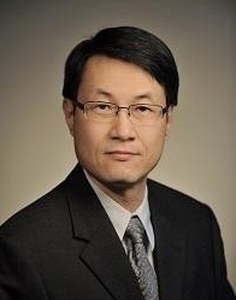 Portrait: UK HealthCare, University of Kentucky
Hsin-Sheng Yang is Professor in the Department of Toxicology and Cancer Biology at the University of Kentucky College of Medicine. His lab studies how the translation of messenger RNA into protein controls genes that drive tumour invasion and spread, with a focus on the tumour suppressor Pdcd4.
In the Atlas he is senior author of WANG2026B. In lung cancer cells, Pdcd4 binds the mTORC2 subunit rictor through three specific amino acids and breaks up the complex. Less mTORC2 activity means less of the glycolysis enzyme PFKFB3, slower sugar burning and slower tumour growth in mice.
Milestones in the Atlas
A selection, not a full bibliography: only papers that meet the Atlas inclusion criteria.
| Year | Evidence | Study |
|---|---|---|
| 2026 | M | Pdcd4-Rictor interaction suppresses mTORC2-PFKFB3 axis and tumorigenesis in NSCLC. WANG2026B Senior author: Pdcd4 binds rictor, disrupts mTORC2 and lowers PFKFB3, suppressing glycolysis and NSCLC growth (cells, xenografts). |
Co-authors in the Atlas 1
People with a profile here who share at least one study with Hsin-Sheng Yang.
ShowHide
- Qing Wang Cancer biologist in Hsin-Sheng Yang's lab at the University of Kentucky who studies how the tumour suppressor Pdcd4 holds back mTORC2 signalling, protein synthesis and cancer cell invasion
Every researcher with a profile →
Thank you. That helps us know which pages have been read by someone who knows the work.
Thank you. We will check it and correct the page.
Thank you. Your answer was counted anonymously.