Chong Chen
Showed that blood stem cells must keep the growth-signaling enzyme mTOR turned down to stay alive and self-renewing
PhD, University of Michigan · postdoc, Scott Lowe lab, Cold Spring Harbor Laboratory & MSKCC · now Professor, West China Hospital, Sichuan University
The Chen-Liu Lab, State Key Laboratory of Biotherapy, West China Hospital, Sichuan University ↗
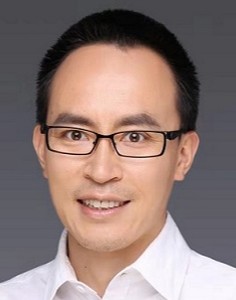 Portrait: West China Hospital, Sichuan University
First author (CHE2008): deleting Tsc1 (unleashing mTOR) drove resting blood stem cells into rapid division, flooded them with ROS, destroyed regenerative capacity — antioxidant partly rescued them. Follow-up (CHE2009): mTOR rises naturally in aged HSCs, and rapamycin restores regenerative capacity and vaccine response.
Postdoc'd with Scott Lowe (lineage plasticity/therapy resistance), now co-runs a lab with Yu (Kiki) Liu (co-author on both original papers) studying epigenetic reprogramming in cancer.
Milestones in the Atlas
| Year | Evidence | Study |
|---|---|---|
| 2008 | A | TSC-mTOR maintains quiescence and function of hematopoietic stem cells by repressing mitochondrial biogenesis and reactive oxygen species CHE2008 Deleting Tsc1 drives blood stem cells into rapid division, ROS flood, and exhausts self-renewal. |
| 2009 | A | mTOR regulation and therapeutic rejuvenation of aging hematopoietic stem cells CHE2009 mTOR rises in aged HSCs; rapamycin restores their regenerative function and vaccine response. |