Toshio Kitamura
Hematology and stem-cell researcher at the Institute of Medical Science in Tokyo; co-author of two studies that track mTORC1 activity in blood and immune cells
Division of Cellular Therapy, The Institute of Medical Science, The University of Tokyo (professor 1996–2022, now emeritus) · Japan
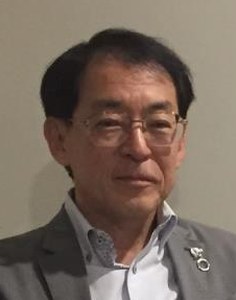 Portrait: The University of Tokyo
Toshio Kitamura works in the Division of Cellular Therapy at the Institute of Medical Science, The University of Tokyo. He appears in two Atlas studies, both in 2021, in each case as a co-author from Tokyo working with a group elsewhere.
In INO2021 (with Tomohiro Kurosaki's group in Osaka) the question was how B cells leave germinal centres to become memory cells, and the answer involved lowering mTORC1. In OKI2021 (with David Scadden's group in Boston, first author Toshihiko Oki, who trained in Kitamura's division) fluorescent reporters showed mTORC1 activity in leukemia cells rising and falling over time inside living mice.
Milestones in the Atlas
A selection, not a full bibliography: only papers that meet the Atlas inclusion criteria.
| Year | Evidence | Study |
|---|---|---|
| 2021 | A | Imaging dynamic mTORC1 pathway activity in vivo reveals marked shifts that support time-specific inhibitor therapy in AML OKI2021 Co-author: in vivo imaging shows mTORC1 activity in AML cells shifts over time and peaks at the moment of best chemotherapy response (mouse). |
| 2021 | A | Exit from germinal center to become quiescent memory B cells depends on metabolic reprograming and provision of a survival signal INO2021 Co-author: germinal-centre B cells must lower mTORC1 activity to become memory B cells (mouse). |
Co-authors in the Atlas 4
People with a profile here who share at least one study with Toshio Kitamura.
ShowHide
- Toshihiko Oki 2 shared studies Hematology researcher who trained at the Institute of Medical Science in Tokyo and in David Scadden's lab at Massachusetts General Hospital, where he imaged mTORC1 activity in leukemia cells inside living mice
- David T. Scadden Stem cell and leukaemia biologist whose lab imaged mTORC1 activity in live mice and showed that well-timed mTORC1 inhibition kills more leukaemia cells
- Takeshi Inoue Immunologist who showed as first author that germinal-centre B cells must lower mTORC1 activity to become long-lived memory B cells
- Tomohiro Kurosaki B-cell immunologist; senior author of the study showing that memory B cells form from germinal-centre cells with low mTORC1 activity
Thank you. That helps us know which pages have been read by someone who knows the work.
Thank you. We will check it and correct the page.
Thank you. Your answer was counted anonymously.