Steven N. Austad
Comparative biologist of ageing who studies why some species and one sex live longer than others, and who directs the UAB Nathan Shock Center; senior author of a study of how lifelong rapamycin affects health in mice
Distinguished Professor and Protective Life Endowed Chair in Healthy Aging Research, Department of Biology, University of Alabama at Birmingham (since 2014) · Scientific Director, American Federation for Aging Research · Director, UAB Nathan Shock Center of Excellence in the Basic Biology of Aging · Professor, UT Health Science Center at San Antonio (2004–2013) · Professor, University of Idaho (1997–2004) · Harvard University faculty (1986–1992) · PhD, Purdue University (1981)
Austad Lab, Department of Biology, University of Alabama at Birmingham (Birmingham, Alabama, USA) ↗
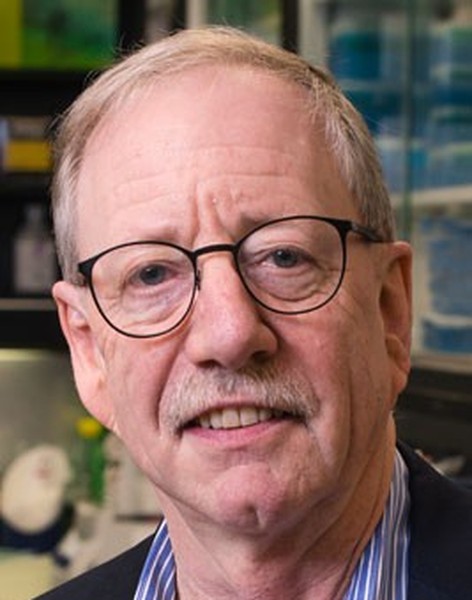 Portrait: University of Alabama at Birmingham, Department of Biology
Steven Austad was the senior author of the Atlas study that followed mice fed rapamycin from four months of age until death and measured a broad panel of health measures from mid-life on (FIS2015). The study found that rapamycin improved some measures, left others unchanged and worsened a few, often in different directions in males and females.
Austad earned his PhD at Purdue and taught at Harvard and the University of Idaho before moving to the Barshop Institute in San Antonio in 2004 and to the University of Alabama at Birmingham in 2014. His work compares ageing across species, including long-lived animals, and between the sexes. He is scientific director of the American Federation for Aging Research and directs the UAB Nathan Shock Center of Excellence in the Basic Biology of Aging.
Milestones in the Atlas
A selection, not a full bibliography: only papers that meet the Atlas inclusion criteria.
| Year | Evidence | Study |
|---|---|---|
| 2015 | A | Health Effects of Long-Term Rapamycin Treatment: The Impact on Mouse Health of Enteric Rapamycin Treatment from Four Months of Age throughout Life FIS2015 Senior author: lifelong rapamycin study in mice showing mixed and sex-specific effects on health measures. |
Co-authors in the Atlas
People with a profile here who share at least one study with Steven N. Austad.
- Arlan Richardson Studies how rapamycin slows ageing in mice, including the broad changes it causes in the liver, and co-authored early studies showing that rapamycin protects memory in Alzheimer's-model mice
- Kathleen E. Fischer Comparative biologist of ageing who studies why ageing rates differ between sexes, strains and species, and who led a long-term study of how lifelong rapamycin affects health measures in mice
Every researcher with a profile →
Thank you. Your answer was counted anonymously.
Thank you. That helps us know which pages have been read by someone who knows the work.
Thank you. We will check it and correct the page.