Oded Meyuhas
Studies how mRNAs with a 5'TOP motif, which encode ribosomal proteins, are controlled, and what phosphorylation of ribosomal protein S6 does in the cell; his lab built the knock-in mouse in which rpS6 cannot be phosphorylated.
Professor, Department of Biochemistry and Molecular Biology, Faculty of Medicine, Hebrew University of Jerusalem (Hebrew University–Hadassah Medical School)
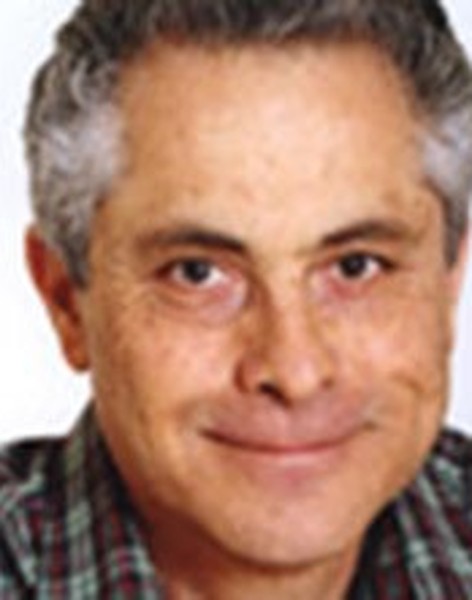 Portrait: Hebrew University of Jerusalem, Faculty of Medicine
Oded Meyuhas was senior author of the 2005 Genes & Development study (RUV2005). His lab made knock-in mice in which all five phosphorylatable serines of ribosomal protein S6 were changed to alanine. Against the model of the time, 5'TOP mRNA translation was unaffected. The mutant cells were smaller, and rapamycin did not shrink them further; adult mice had smaller beta-cells, less pancreatic insulin and poorer glucose tolerance.
Meyuhas is a professor in the Department of Biochemistry and Molecular Biology at the Hebrew University's Faculty of Medicine in Jerusalem. His group has worked for many years on how cells control the production of their own translation machinery through 5'TOP mRNAs.
Milestones in the Atlas
A selection, not a full bibliography: only papers that meet the Atlas inclusion criteria.
| Year | Evidence | Study |
|---|---|---|
| 2005 | A | Ribosomal protein S6 phosphorylation is a determinant of cell size and glucose homeostasis RUV2005 Senior author: mice whose rpS6 cannot be phosphorylated keep normal 5'TOP translation but have smaller cells, smaller beta-cells and low insulin. |
Every researcher with a profile →
Thank you. Your answer was counted anonymously.
Thank you. That helps us know which pages have been read by someone who knows the work.
Thank you. We will check it and correct the page.