Keishi Fujio
Rheumatologist and immunologist who studies how self-tolerance breaks down in autoimmune disease, including lupus, and how nutrient sensing by CASTOR1 shapes B-cell responses.
Professor, Department of Allergy and Rheumatology, Graduate School of Medicine, The University of Tokyo
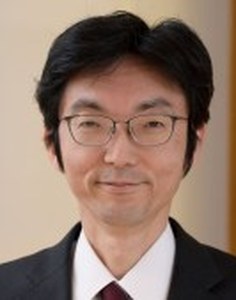 Portrait: The University of Tokyo Hospital
Keishi Fujio is a professor and physician at the University of Tokyo, working in allergy and rheumatology. The university lists his research theme as the mechanisms by which the body's tolerance to its own tissues breaks down, which is the basis of autoimmune diseases such as lupus.
The study in the Atlas, led by Takeshi Kusuda, looked at CASTOR1, a protein that senses the amino acid arginine and holds mTORC1 in check. The team examined mice lacking Castor1 and a mouse line lacking it only in B cells. These mice made more plasma cells and more IgG antibodies, produced antibodies against DNA and developed kidney inflammation like that of lupus.
In people with lupus, the activity of the CASTOR1 gene in plasmablasts was lower when the disease was more active (r = -0.32). The work links an upstream amino-acid sensor of mTORC1 to a human autoimmune disease.
Milestones in the Atlas
A selection, not a full bibliography: only papers that meet the Atlas inclusion criteria.
| Year | Evidence | Study |
|---|---|---|
| 2026 | M | CASTOR1 regulates humoral immune responses and contributes to the pathogenesis of systemic lupus erythematosus KUS2026 Showed that loss of CASTOR1 in mice causes plasma cell expansion, anti-DNA antibodies and lupus-like kidney disease, and that CASTOR1 in human lupus plasmablasts is lower when disease activity is higher. Fujio is the senior author. |
Co-authors in the Atlas 1
People with a profile here who share at least one study with Keishi Fujio.
ShowHide
- Takeshi Kusuda Rheumatologist and researcher at the University of Tokyo who studies how B cells go wrong in lupus, and first author of the 2026 study tying the arginine sensor CASTOR1 to mTORC1 in antibody-making cells
Every researcher with a profile →
Thank you. That helps us know which pages have been read by someone who knows the work.
Thank you. We will check it and correct the page.
Thank you. Your answer was counted anonymously.