Ivana Bjedov
Studies DNA repair and protein synthesis in ageing; showed that rapamycin extends lifespan in fruit flies
CRUK Senior Cancer Research Fellow · UCL Cancer Institute
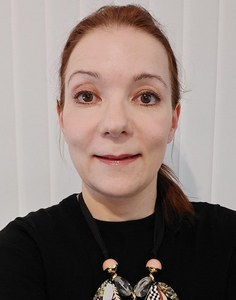 Portrait: University of Essex
Ivana Bjedov leads a laboratory at the UCL Cancer Institute in London that studies DNA repair and protein synthesis. She is a Cancer Research UK Senior Cancer Research Fellow.
She studied molecular biology at the University of Zagreb and earned her PhD in Paris with Miroslav Radman, working on DNA repair in bacteria. As an EMBO postdoctoral fellow with Linda Partridge at UCL she studied how rapamycin improves health and lifespan in flies. She set up her own group at UCL after winning an ERC Starting Grant.
In the Atlas she is first author of BJE2010 in Cell Metabolism. Adult fruit flies fed rapamycin lived longer, and the effect worked through mTORC1 by changing both autophagy and protein synthesis. Rapamycin still extended life in flies already on a lifespan-maximising diet, which points to more than one mechanism.
Milestones in the Atlas
A selection, not a full bibliography: only papers that meet the Atlas inclusion criteria.
| Year | Evidence | Study |
|---|---|---|
| 2010 | A | Mechanisms of life span extension by rapamycin in the fruit fly Drosophila melanogaster BJE2010 First author: rapamycin extended fly lifespan via TORC1, autophagy and translation, even on top of dietary restriction (Drosophila). |
Co-authors in the Atlas 1
People with a profile here who share at least one study with Ivana Bjedov.
ShowHide
- Linda Partridge Showed that rapamycin extends fruit-fly lifespan through TORC1, via autophagy and reduced protein synthesis, and that it adds benefit even on top of dietary restriction
Every researcher with a profile →
Thank you. That helps us know which pages have been read by someone who knows the work.
Thank you. We will check it and correct the page.
Thank you. Your answer was counted anonymously.