Eric Ravussin
Human energy-metabolism researcher who studies why people differ in how they burn energy and what long-term calorie restriction does to the body, including in the CALERIE trial.
Associate Executive Director for Clinical Science and Boyd Professor, Pennington Biomedical Research Center, LSU · PhD, University of Lausanne (1980)
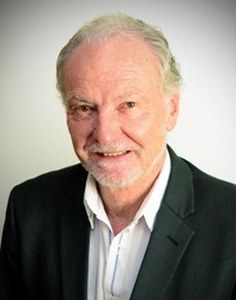 Portrait: ScienceNews.dk
Eric Ravussin studies human metabolism: why some people burn more energy than others, how genetics shapes this, and how obesity relates to type 2 diabetes. He is originally from Lausanne, Switzerland, and works at the Pennington Biomedical Research Center in Louisiana.
The study in this Atlas comes from CALERIE, a randomized trial in which healthy adults who were not obese ate about 25% fewer calories than usual for two years, compared with people who ate as they pleased. This paper looked at safety. Overall the diet was safe and well tolerated, but bone density at the spine, hip and femoral neck fell more in the calorie-restriction group, so the authors advised watching for bone loss and anemia.
Calorie restriction is of interest to mTOR researchers because it is one of the best-studied ways to slow ageing in animals and is thought to involve nutrient-sensing pathways such as mTOR. This paper is a human safety study and did not measure mTOR.
Milestones in the Atlas
A selection, not a full bibliography: only papers that meet the Atlas inclusion criteria.
| Year | Evidence | Study |
|---|---|---|
| 2016 | H | Safety of two-year caloric restriction in non-obese healthy individuals ROM2016 Co-author (fourth in the byline, from Pennington Biomedical): two years of 25% calorie restriction in healthy non-obese adults was safe overall, with lower bone density than the control group. |
Co-authors in the Atlas 2
People with a profile here who share at least one study with Eric Ravussin.
ShowHide
- Sergei V. Romashkan Physician scientist at the National Institute on Aging who oversees clinical trials in older adults and led the safety analysis of CALERIE, the first long-term trial of calorie restriction in healthy people
- William E. Kraus Preventive cardiologist and exercise physiologist at Duke University who leads long-running trials on how exercise and calorie restriction change human health, and senior author of the CALERIE two-year safety report
Every researcher with a profile →
Thank you. That helps us know which pages have been read by someone who knows the work.
Thank you. We will check it and correct the page.
Thank you. Your answer was counted anonymously.