David B. Solit
Physician-scientist who used whole-genome sequencing of an exceptional responder to show that TSC1 mutations can predict sensitivity of bladder cancer to the mTOR inhibitor everolimus.
Geoffrey Beene Chair · Director, Marie-Josée and Henry R. Kravis Center for Molecular Oncology, MSK · Genitourinary medical oncologist
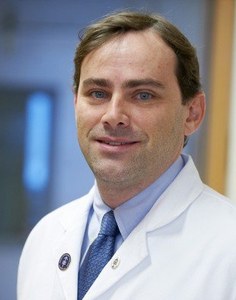 Portrait: Memorial Sloan Kettering Cancer Center
David Solit is a medical oncologist who treats genitourinary cancers and runs a research lab at Memorial Sloan Kettering Cancer Center in New York. He holds the Geoffrey Beene Chair and directs the Marie-Josée and Henry R. Kravis Center for Molecular Oncology. His work includes clinical trials of kinase inhibitors and the study of "extraordinary responders": patients with hard-to-treat cancers who respond very strongly to a drug that helps few others.
The 2012 Science paper in the Atlas began with one such patient. A man with metastatic bladder cancer had a long remission on everolimus, a drug that inhibits mTOR. The team sequenced the whole genome of his tumour and found a loss-of-function mutation in TSC1, a gene that normally restrains mTOR signalling.
They then checked 109 more bladder cancers and found TSC1 mutations in about 8 percent, and these mutations matched everolimus sensitivity. The study is an early example of finding a drug response marker by sequencing one unusual patient. Solit was the last author.
Milestones in the Atlas
A selection, not a full bibliography: only papers that meet the Atlas inclusion criteria.
| Year | Evidence | Study |
|---|---|---|
| 2012 | H | Genome sequencing identifies a basis for everolimus sensitivity IYE2012 Last author of the Science study that sequenced an everolimus extraordinary responder and linked TSC1 mutation to sensitivity to mTOR inhibition in bladder cancer. |
Co-authors in the Atlas 1
People with a profile here who share at least one study with David B. Solit.
ShowHide
- Gopa Iyer Medical oncologist at Memorial Sloan Kettering who heads its bladder cancer section and studies the genetics behind how bladder tumors respond to drugs
Every researcher with a profile →
Thank you. That helps us know which pages have been read by someone who knows the work.
Thank you. We will check it and correct the page.
Thank you. Your answer was counted anonymously.