Christian Sell
Studies the basic biology of ageing, especially how mTOR, rapamycin, cellular metabolism and senescence are connected.
Drexel University College of Medicine · Associate Professor of Biochemistry and Molecular Biology; Director, Aging Initiative
Sell Lab, Department of Biochemistry and Molecular Biology, Drexel University College of Medicine (Philadelphia, Pennsylvania, USA) ↗ Lab lineage1 direct trainee →
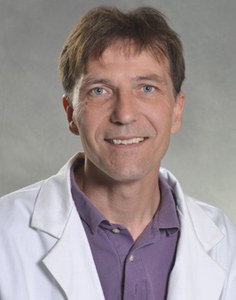 Portrait: Drexel University College of Medicine
Christian Sell is an associate professor at Drexel University College of Medicine in Philadelphia, where he directs the Aging Initiative. According to his Drexel profile, his work centres on mTOR and rapamycin and on how hormone signalling, metabolism and cellular senescence fit together.
The 2019 trial in the Atlas, led by dermatologist Christina Chung with Sell as senior author, asked whether rapamycin can slow ageing in a tissue that is easy to see and sample: the skin. Adults over 40 with signs of sun-related skin ageing applied rapamycin cream.
The skin showed lower levels of p16, a marker of senescent cells, and more collagen VII, which helps hold skin layers together. Some people also looked better. The trial was small: 36 people joined and 19 dropped out or were lost to follow-up, so it is an early signal and not proof.
Milestones in the Atlas
A selection, not a full bibliography: only papers that meet the Atlas inclusion criteria.
| Year | Evidence | Study |
|---|---|---|
| 2019 | H | Topical rapamycin reduces markers of senescence and aging in human skin: an exploratory, prospective, randomized trial CHU2019 Small randomised trial in which topical rapamycin lowered the senescence marker p16 and raised collagen VII in human skin; Sell was senior author. |
Every researcher with a profile →
Thank you. Your answer was counted anonymously.
Thank you. That helps us know which pages have been read by someone who knows the work.
Thank you. We will check it and correct the page.