Alessandro Bitto
Showed that a short, three-month course of rapamycin in middle-aged mice can extend lifespan and improve healthspan
Acting Assistant Professor, Department of Laboratory Medicine and Pathology, University of Washington · Postdoctoral fellow, Kaeberlein lab, University of Washington (from 2013) · PhD in Molecular Pathobiology, Drexel University College of Medicine (2013)
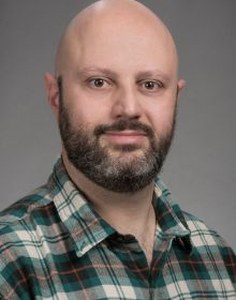 Portrait: University of Washington
Bitto is the first author of the 2016 eLife study that asked a question everyone else had skipped: does rapamycin have to be given for life? He treated 20-month-old mice – already middle-aged – for just three months and then stopped. Remaining life expectancy rose by as much as 60 percent, and measures of healthspan improved too, which means the benefit does not require permanent exposure to the drug.
Two secondary findings make the paper more than a dosing note. The treatment reshaped the gut microbiome, sharply increasing segmented filamentous bacteria in the small intestine, which hints that some of rapamycin's effect may be mediated outside the animal's own cells. And a particular dose in female mice failed to extend lifespan while shifting the cancer spectrum toward aggressive blood cancers and away from solid tumours – a reminder that dose and sex change the outcome, not just its size.
The practical point for an mTOR atlas is that transient dosing is testable in humans in a way lifelong dosing is not. Bitto now runs his own work at the University of Washington on the overlap between aging and mitochondrial disease, including Ndufs4-knockout mice, a model of the childhood disorder Leigh syndrome in which longevity interventions such as rapamycin are unusually effective.
Milestones in the Atlas
| Year | Evidence | Study |
|---|---|---|
| 2016 | A | Transient rapamycin treatment can increase lifespan and healthspan in middle-aged mice BIT2016 First author: designed and ran the transient-rapamycin mouse experiment and the lifespan, healthspan, cancer-incidence and microbiome analyses, with Matt Kaeberlein as senior author. |
Co-authors in the Atlas
People with a profile here who share at least one study with Alessandro Bitto.
- Matt Kaeberlein Extended TOR/aging research from yeast to mice to pet dogs
Every researcher with a profile →
On the programme
Meetings in the Atlas calendar where Alessandro Bitto is listed among the speakers or organisers.
- past AGE 54th Annual Meeting 2026 (American Aging Association) ↗ 2–5 Jun 2026 · Provo, Utah, USA · ★★